Properties
1. Taking account of the use of alkali bath and aluminum extrusion traces, it is suitable for mirror material and matt material.
2. Great aluminum ion complexation performance,even if the concentration reached 140g / L ,
still without precipitation.
3. Using the surfactant, corrosion inhibitor,so it can make the aluminum work pieces surface delicate after leaving the alkali bath.
4. The bath is easy to control, with low consumption, and easy to maintain and manage.
5. To prevent too fast corrosion, resulting in pitting.
Bath composition and Operation condition
| Item |
Range |
Best condition |
| PE660 |
10 ~ 20g/L |
15g/L |
| Free alkali |
30~ 50g/L |
40-45g/L |
| Temperture |
30 ~ 60℃ |
40 ~ 50℃ |
| Time |
30s-10min |
60s-2min |
Note: If you use ultrasound, it is recommended to use the frequency of 40 ~ 60KHz ultrasonic, If the ultrasonic frequency too high,it may cause the work piece surface appearance problems.
Package
25 kg /1000kg
Role in Etch Bath StabilityPhoenix Etch‑660 functions as a corrosion resistance additive in alkali etching baths used prior to or during anodizing aluminum process. It significantly increases the critical concentration of dissolved aluminum ions in the bath to reduce formation of bottom sediment, which can otherwise impair surface quality. The product performs with mirror material and matte material alike. In aluminum anodizing service environments, maintaining bath clarity and preventing premature sedimentation helps ensure consistent etching across parts and minimizes defects carried into the anodizing step. Also reduces maintenance frequency and avoids interruption in production flow by extending usable bath life under repeated use.Operating Conditions and Use DetailsDosage for Phoenix Etch‑660 is typically in the range of 10‑20 g/L, with a best working concentration around 15 g/L. Free alkali concentration (in the bath) is 30‑50 g/L, with optimal performance at 40‑45 g/L. Working temperature is 30‑60 °C, best around 40‑50 °C. Time in the bath ranges from 30 seconds to 10 minutes, with mirrors or matte finishes often achieved in 60 seconds to 2 minutes. These parameters are relevant whether using large‑scale aluminum anodizing service facilities or smaller aluminum anodizing kit setups. The product listing also notes that the surface of aluminum work pieces after leaving the alkali bath is more delicate (i.e. finer texture) due to use of surfactants and corrosion inhibitors, helping the subsequent anodized layer form more uniformly.Material Compatibility and Surface EffectsPhoenix Etch‑660 is formulated for use with aluminum and aluminum alloys that are to be anodized. It is suitable for both mirror (specular) and matte finishes. It provides corrosion inhibition so that even as aluminum ion concentration increases (up to about 140 g/L in some bath conditions) there is no precipitation of aluminum ions — which helps preserve the uniform surface required for high‑quality anodizing. The additive also helps to prevent pitting (too fast corrosion) during the alkali etching stage, which is critical for surfaces destined to become anodized aluminum parts. Because the integrity of the etch affects how the oxide layer forms during the anodizing step, Etch‑660 is an important component in the anodizing aluminum process chain and supports consistent appearance and durability in finished components. Product AdvantagesStructural and Design Advantages Elevating System StabilityPhoenix Etch-660 is engineered with a composition that increases the critical concentration of dissolved aluminum ions in the alkali bath, which effectively reduces sediment formation and precipitation risks. Its formulation accommodates a broad range of bath temperatures and free alkali levels consistent with industry-standard aluminum anodizing kit and industrial setups. The product packaging, available in manageable 25 kg bags or bulk quantities, supports modular integration within anodizing supply chains, optimizing inventory and dosing precision for established anodizing aluminum processes.Performance and User Value Delivered Through Enhanced Bath LifeThe additive promotes prolonged bath stability by maintaining clarity and minimizing corrosion during alkali etching steps, directly reducing maintenance frequency and operational downtime. Users benefit from consistent etch quality that enhances the uniformity and defect reduction of final anodized aluminum surfaces. Moreover, the controlled dosing and temperature flexibility make it suitable for both industrial-scale and smaller-scale aluminum anodizing service operations, thereby improving overall process ROI through reliable performance and simplified process control.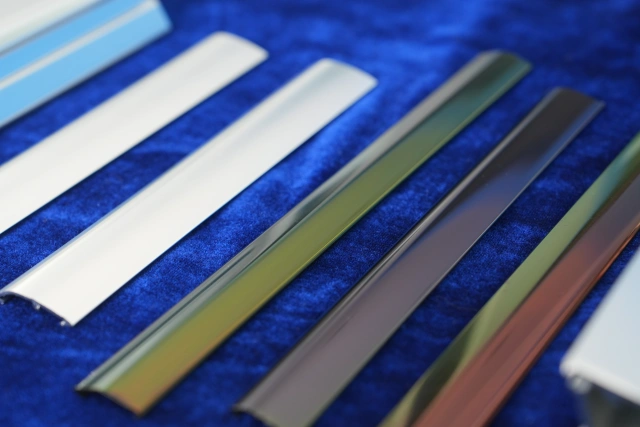
Use ScenariosPre‑Anodizing Etch for Decorative & Functional PartsWhen preparing aluminum parts for decorative or functional finishes — e.g., architectural hardware, trim, enclosures — the alkali etch stage must produce uniform surfaces. Using Phoenix Etch‑660 in that etch stage ensures both mirror and matte surfaces have reduced sediment and less pitting before the anodizing aluminum process, yielding better visual and functional anodized aluminum results. Decorative firms or design workshops will notice improved clarity in finishes and less polishing or correction after anodizing.Large‑Scale Industrial Anodizing PlantsIn plants offering aluminum anodizing service, where many parts are etched, rinsed, anodized in large batches, maintaining etch bath stability is essential to keep throughput high. Phoenix Etch‑660 helps ensure the alkali bath stays effective over many cycles, reducing bottom sediment, making process maintenance easier, and supporting consistent quality across many parts destined for anodized finishes. Also helps reduce rejects arising from etch defects feeding through the entire anodizing aluminum workflow.Smaller Workshops and Anodizing Kit UsersEven smaller users or labs employing aluminum anodizing kits can benefit. When using kit‑scale etch baths (alkali etching), inclusion of Etch‑660 helps those setups preserve finish quality, avoid pitting, control bath life, and prevent surprises in the subsequent anodizing step. It supports smoother surface condition going into anodization. For custom or prototype parts, this means less trial and error to achieve desired surface before sealing or coating final products. About UsWuhan Fengfan International Trade Co., Ltd., wholly owned by Wuhan Fengfan Electrochemical Technology Co., Ltd., was established in 1984, operating in the surface treatment chemicals industry with over four decades of specialization in electroplating additives, anodizing chemicals, pretreatment and post‑treatment agents. Their core products cover electroplating additives, metal pretreatment chemicals, anodizing additives, sealing agents, corrosion resistance agents such as alkali etch additives like Phoenix Etch‑660, all used in aluminum anodizing service, anodizing aluminum process, and coatings for anodized aluminum. The company has production facilities on roughly 67 acres and about 7,000 m² of factory floor; its annual capacity for additive materials reaches 3,000‑5,000 tons/year. Fengfan maintains in‑house R&D laboratory, quality control, clean production and safety standardization credentials. Its market direction includes supporting users of aluminum anodizing kit setups, and larger industrial operations needing reliable finishing chemicals. FAQWhat is Phoenix Etch‑660 used for?It is an alkali corrosion resistance additive applied during the etch step prior to or during anodizing aluminum process, to reduce bottom sediment and prevent corrosion in the alkali bath, thus improving uniformity of final anodized aluminum.What dosage of Phoenix Etch‑660 is recommended?The recommended dosage is 10‑20 g/L (best condition around 15 g/L) in the alkali bath, which is effective in both aluminum anodizing service environments and smaller aluminum anodizing kit setups.What temperature and time are typical for using Etch‑660?Typical working temperature is 30‑60 °C (best around 40‑50 °C); etching times range from 30 seconds up to 10 minutes; mirror or matte finishes often achieved at 60 seconds‑2 minutes in best conditions as provided by product info.Does using Phoenix Etch‑660 help improve final anodized aluminum surfaces?Yes; by reducing pitting and sediment during the etch, the aluminum surface entering the anodizing step is more uniform, which supports better anodized aluminum finish quality in aluminum anodizing service operations and reduces defects downstream.Is Phoenix Etch‑660 suitable for anodizing kit users or smaller setups?Yes; the product works in moderate temperature and alkali levels and can be used by smaller users employing aluminum anodizing kits, provided appropriate control over dosage, temperature, and time is maintained.Implement Phoenix Etch‑660 into your etch bath today to ensure cleaner, more reliable anodizing aluminum process results!


